Wool Drapery: Warmth, Body and Quiet for Los Angeles Rooms
Wool drapery hangs in rounded folds, quiets a room and resists flame and creasing. How worsted, flannel, sateen and mohair differ, and how to keep moths away.

Wool drapery is seldom asked for in Los Angeles, and that is a pity. People think of wool as a cloth for cold countries. It is in fact light, quiet and well behaved at a window, and it suits the older houses of this city particularly well. We introduced it in our guide to natural fiber drapery. This entry takes wool alone: how the principal cloths differ, what wool does for the warmth and the quiet of a room, how it is kept from moths and from the sun, and where it belongs in Pasadena, Hancock Park and the rest of Los Angeles.
What makes wool unlike any other drapery fabric?
Wool is the fleece of the sheep. Like silk it is a protein, in this case keratin, the substance of hair. Each fiber grows with a natural wave, called crimp, and it can be stretched by nearly a third of its length and will return to where it began. That spring is the secret of the cloth. Wool drapes fall in rounded, even folds, and they recover from creasing where linen would hold every mark.
The fiber also takes up moisture from the air without feeling damp, and it takes dye in deep, saturated colors.
Worsted wool, wool flannel, wool sateen or mohair: which is which?
The four names describe the yarn, the finish, the weave or the animal.
- Worsted. Spun from long fibers that have been combed to lie parallel, which gives a smooth, fine and strong yarn. The cloth is light and falls in clean, fluid folds. It is the cloth of a good suit, and it is entirely at home in this climate.
- Flannel. Traditionally woven from carded yarn, in which the fibers lie in every direction, and then brushed to raise a soft nap. It is matte and a little heavier.
- Sateen. A satin weave, in which the threads float across the surface and give a soft sheen. It is the most formal of the three and hangs with real weight.
- Mohair. Not wool in the strict sense, since it is the fleece of the Angora goat. It is the most lustrous and the hardest wearing of the four, and it is best known as mohair velvet, described under velvet drapery.
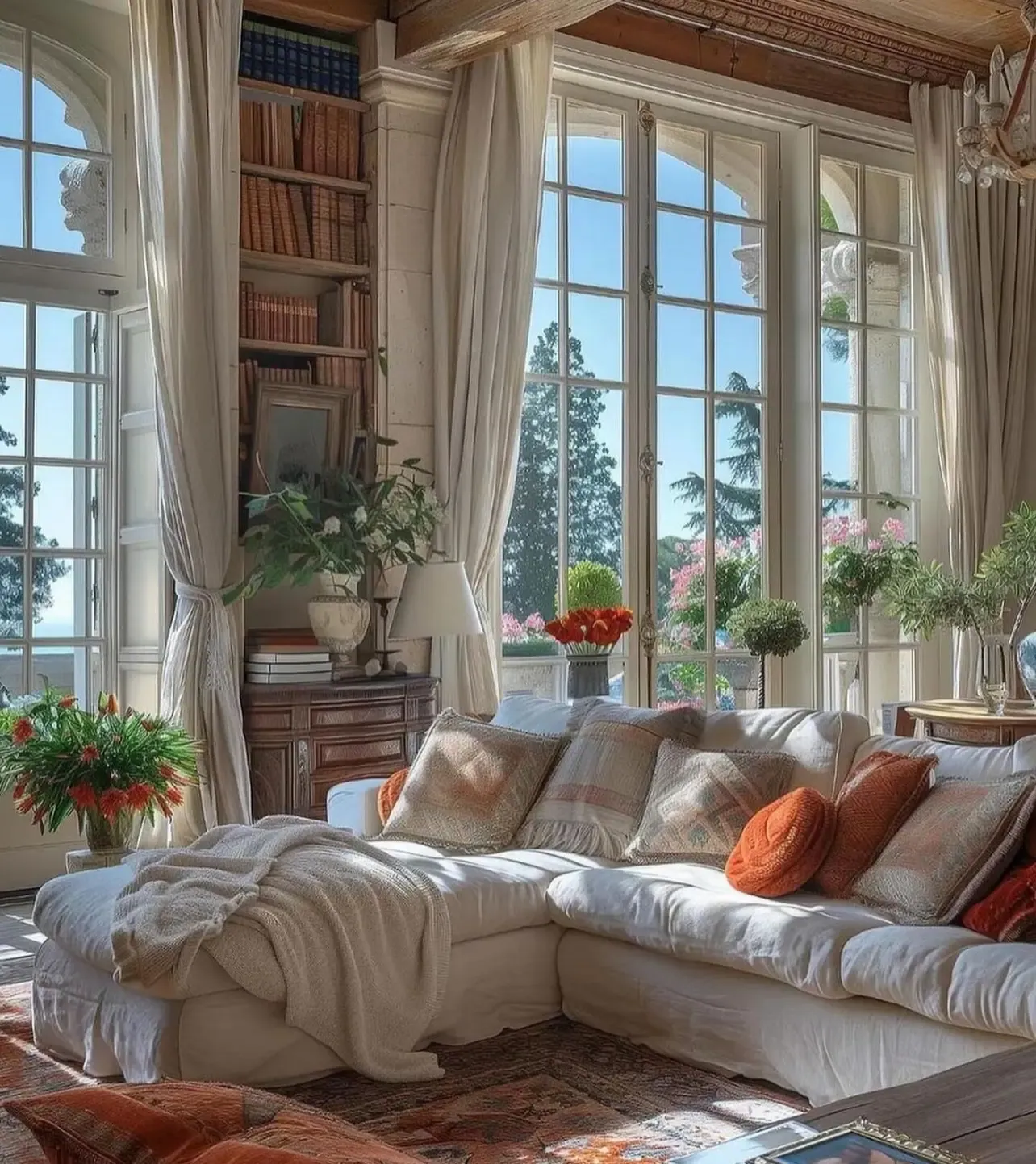
Do wool curtains make a room warmer and quieter?
Both, and the second is the more noticeable. A room of glass, plaster and stone throws sound back, and voices grow hard in it. Heavy drapery hung in deep folds absorbs it. It works chiefly upon the middle and higher pitches, where speech lies, and very little upon the bass. Weight and fullness do the work. A light cloth hung flat absorbs almost nothing, and a heavy one absorbs markedly more when it is gathered to twice the width of the window. Wool, dense and soft together, is well suited to the task.
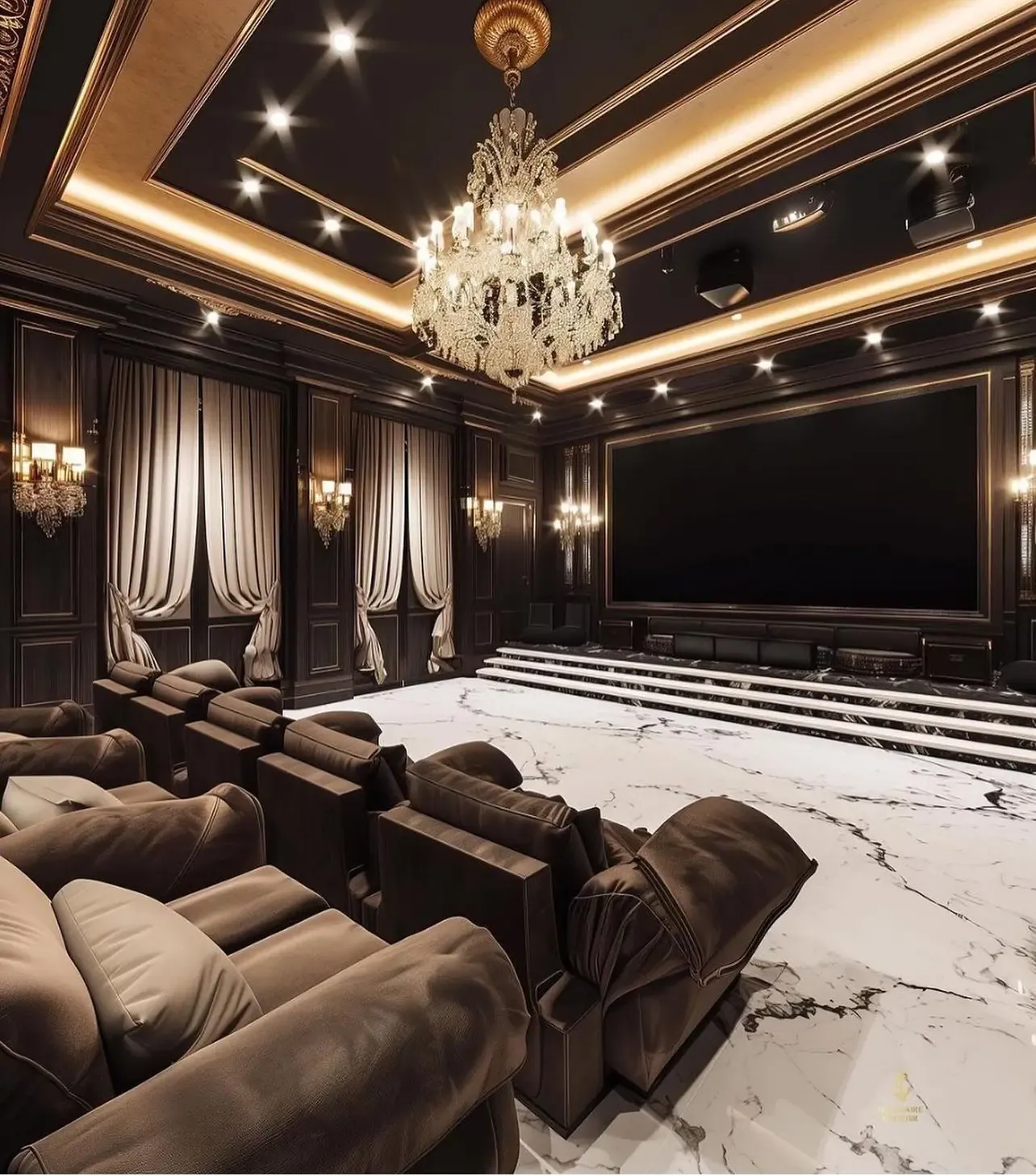
As to warmth, drapery does not heat a room. It stands between the room and a cold pane. Winter nights in Pasadena fall into the forties, and an old steel casement is then the coldest surface in the house. Drawn at dusk, wool that is lined and interlined takes the chill off it. In a home theater a blackout lining darkens the room as well.
Is wool naturally flame resistant?
More so than any other fiber commonly used in furnishing. It will not ignite until it reaches some 570 to 600 degrees Celsius, where cotton takes fire at about 255, and it needs more oxygen to burn than ordinary air supplies. When it is made to burn it chars, it does not melt or drip, and it generally goes out when the flame is taken away.
That is a comfort beside a fireplace. It is not a certificate. In California the drapery of restaurants, theaters and other places of public assembly must be flame retardant under the rules of the State Fire Marshal, whatever the fiber, and the cloth for commercial window treatments is chosen accordingly.
How is wool drapery kept from moths and from the sun?
Wool has two enemies, and both are easily managed. The first is the clothes moth. The moth itself eats nothing. It is the larva that feeds upon the fiber, and it prefers what is dark, undisturbed and soiled. Drapery that is drawn every day makes a poor home for it. The places to watch are the folds that never move and the hems near the floor.
- Draw the drapery regularly, so that no fold lies still for months together.
- Vacuum the panels lightly with a soft brush, and the floor and the baseboard beneath them.
- Have them cleaned professionally from time to time, and always before they are stored.
The second is the sun. Strong light yellows wool and in time weakens it, though wool bears it better than silk. We therefore line wool as a matter of course, and at southern and western windows we add a sheer or a shade to take the bright hours. A clear film upon the glass helps further, and we arrange it through an outside installer.
Where does wool belong in Pasadena, Hancock Park and Los Angeles?
Wherever the house has some age and the room some dignity. Hancock Park was laid out in the 1920s by G. Allan Hancock, and its houses in the Tudor, English and Mediterranean manner stand well back from the street behind broad lawns, as do those of Windsor Square beside it. Wool drapes in Hancock Park look as though they had always hung in such rooms: a flannel or a worsted in a deep color, lined, with a pinch pleat heading on a rod of iron or wood.
Wool curtains in Pasadena have two natural homes. The first is the period houses of Oak Knoll, Madison Heights and San Rafael, Tudor and English among them. The second is the Craftsman house. Its woodwork is the best thing in the room, and a plain wool in an earthy color, made as simple panels on a slender rod and drawn clear of the casings, does not compete with it. The valley sun is strong, so the lining is not to be omitted.
If you are considering custom drapery in wool, we should be glad to bring the cloths to the house. Diana Mendez, who leads the firm and is a textile expert, advises on the weave, the weight and the lining. Please request a consultation and she or one of her designers will be in touch to arrange it.
Questions and answers
Which wool is best for drapery?
For most rooms we advise a fine worsted wool, which is smooth and light and falls in clean folds. Wool flannel is softer and more matte and suits a study or a bedroom. Wool sateen and mohair velvet are the more formal choices.
Do wool curtains attract moths?
They can, if they are left dark, still and soiled. It is the larva of the clothes moth that feeds upon wool, and it dislikes light and disturbance. Drapery that is drawn regularly, vacuumed lightly and cleaned from time to time is seldom troubled.
Is wool drapery flame resistant?
Wool is the most flame resistant of the fibers commonly used in interiors. It is slow to ignite, it chars and does not melt or drip, and it generally goes out when the flame is removed. Public rooms in California must still use flame retardant cloth.
Do wool drapes help with noise?
They soften the sound within a room. Heavy drapery in deep folds absorbs the middle and higher pitches, so that voices are clearer and echo is reduced. It does little against the bass, and it will not keep out the noise of a street.
Would you like advice on your own windows?
Request a Quote →