Shutters, Shades or Blinds? Choosing by Room and by Light
Three families of window treatment, each with its own strengths. How to match them to the rooms of a house and the light they receive.
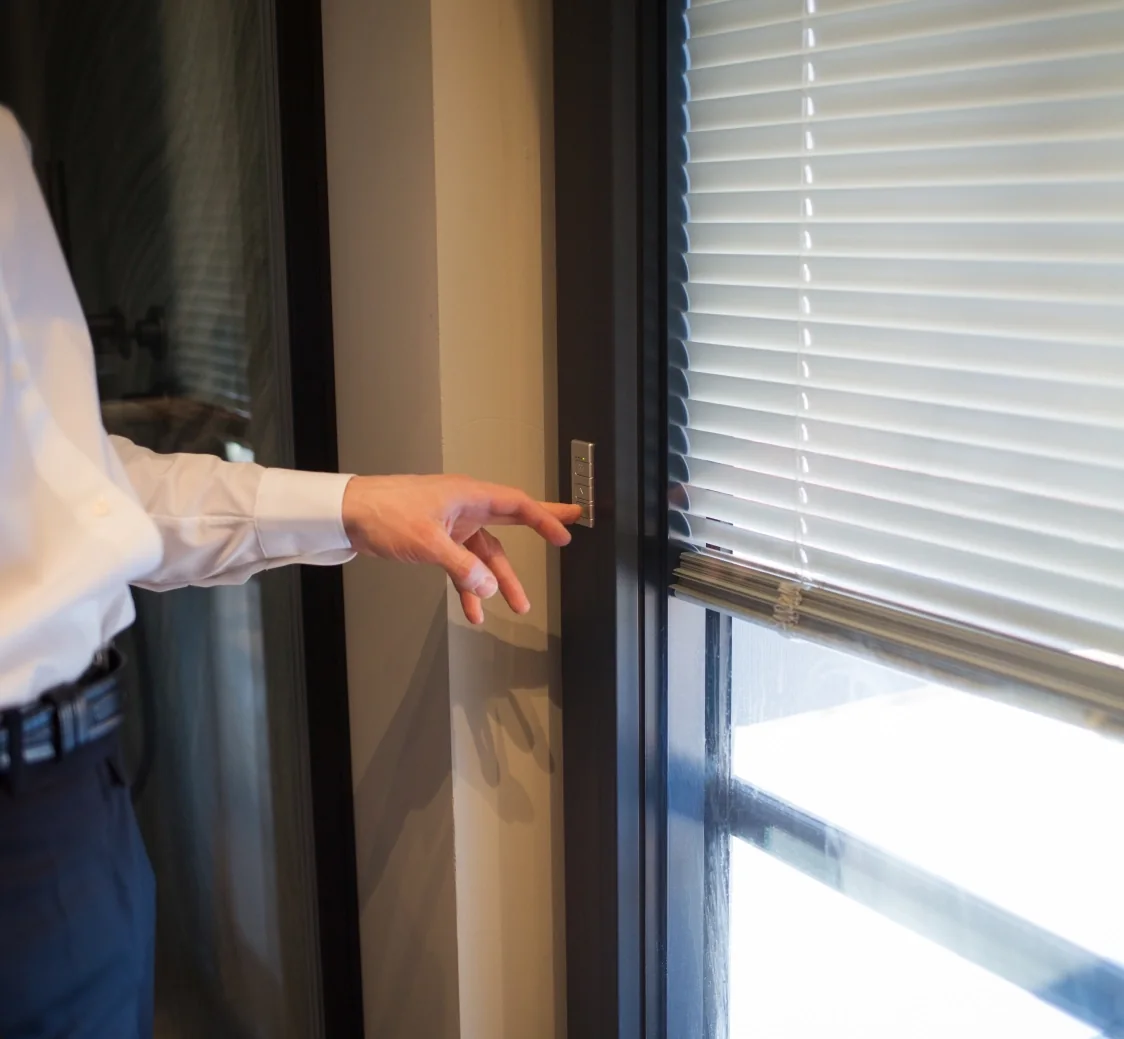
The three words are often used interchangeably, yet they describe quite different things. Shutters are rigid panels with louvers, fixed within the window opening like a piece of millwork. Blinds are made of individual slats that tilt and lift. Shades are a continuous piece of material that rolls, folds or gathers. Each manages light in its own way, and the right choice depends on the room and the direction it faces.
Living and dining rooms
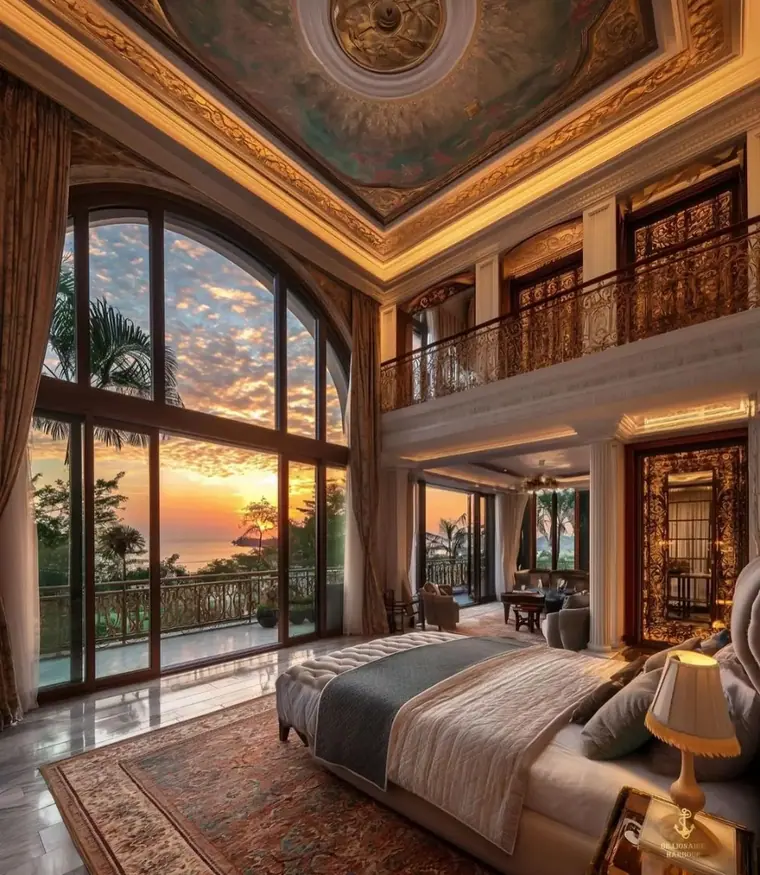
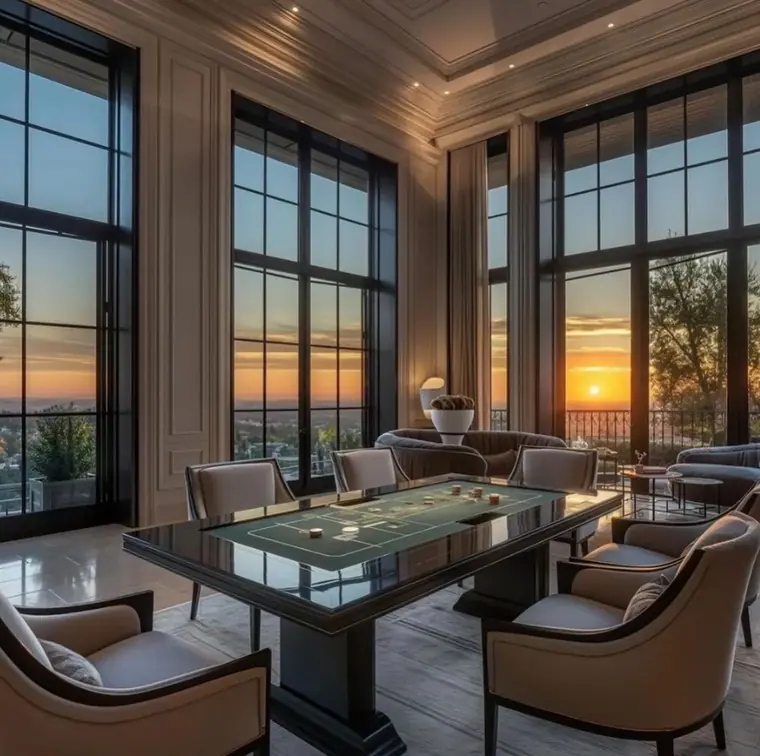
Rooms for entertaining usually ask for layers. A sheer or a solar shade tames the brightness of the day while keeping the view, and drapery adds softness and privacy in the evening. Where the architecture is strong, shutters can stand alone and read as part of the house itself.
Bedrooms
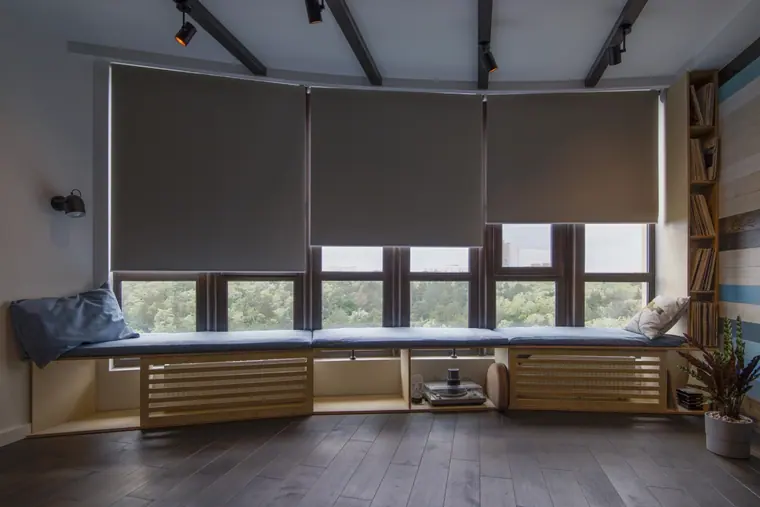
Darkness is the priority. A room darkening shade handles most of the work, but light will always find the gaps at the edges, so the most restful bedrooms pair a shade with lined drapery that overlaps the window on every side. For a street facing bedroom, a shade that lowers from the top as well as rising from the bottom gives daylight and privacy together.
Kitchens and bathrooms
Steam, splashes and frequent cleaning rule out delicate fabrics near a sink or range. Shutters and blinds in moisture resistant materials wipe clean and keep their shape, and a simple roller shade in a suitable fabric is equally practical. In a bathroom, a treatment that covers the lower part of the window while leaving the top clear is often the most useful arrangement of all.
Studies, offices and media rooms
Here the enemy is glare on a screen. Solar shades are woven with a stated openness: the lower the figure, the tighter the weave and the more glare is controlled, while a more open weave preserves more of the view. Darker fabrics tend to give a clearer view through the shade, and lighter ones reflect more heat. Blinds are the other good answer, since tilting the slats sends light toward the ceiling and away from the desk.
Arched and unusual windows
Southern California is full of arches, clerestories and corner glass. Shutters can be built to follow a curve. Drapery can be hung above an arch so the shape remains visible when the panels are open. Very high windows are the best argument for motorization, since a treatment that cannot be reached will not be used.
Most houses end up with a combination, and that is as it should be. What matters is that the treatments share a common language of color, material and detail, so the house feels considered from one room to the next.
Would you like advice on your own windows?
Request a Quote →