Motorized Shades: What to Decide Before the Walls Are Closed
Power, pockets and control are far easier to plan during construction than afterward. A short guide to the decisions worth making early.
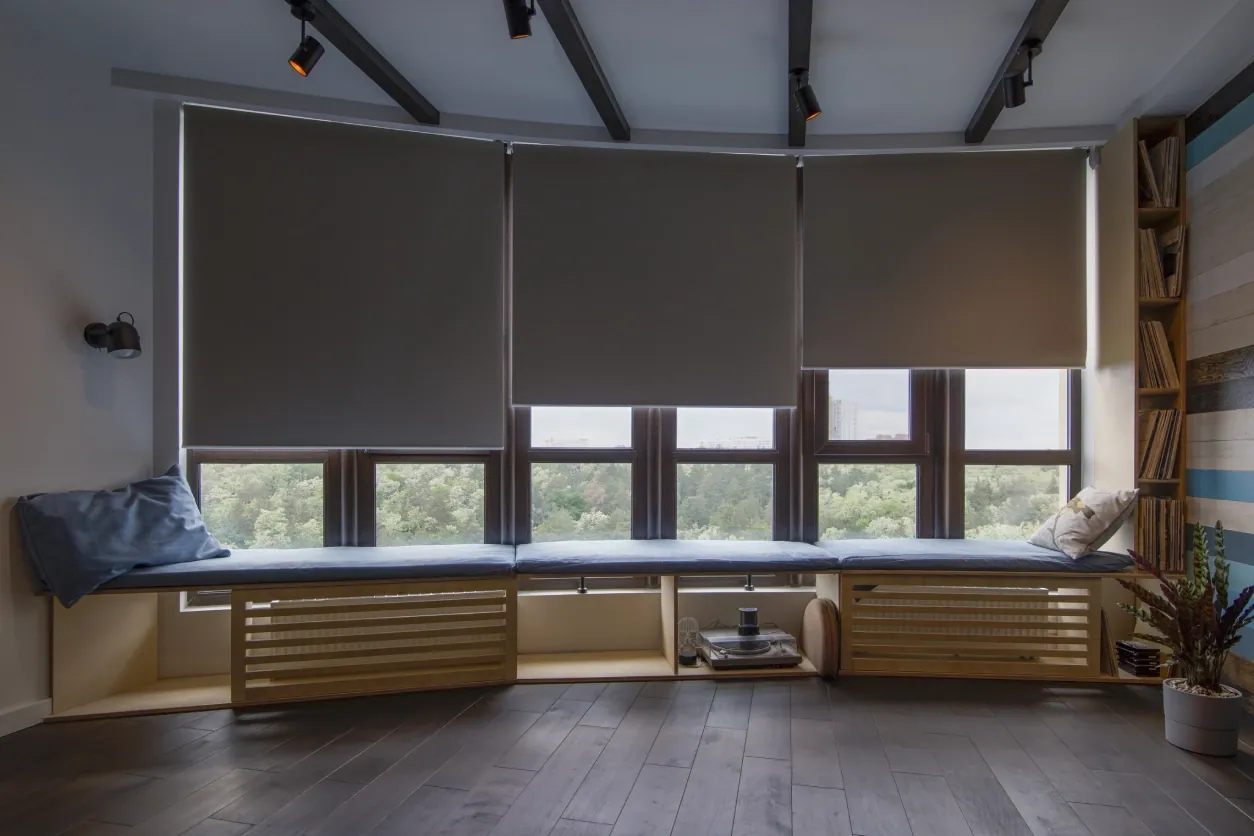
Motorized window treatments are at their best when nobody notices how they work. The shade simply rises in the morning, lowers against the afternoon sun and closes at dusk. Achieving that calm takes a little planning, and the best moment for it is before the drywall goes up. If you are building or remodeling, these are the questions to settle with your designer and contractor early.
How will each shade be powered?
There are three usual answers. Hardwired motors draw power from wiring run to the head of each window, which is the neatest long term solution and the reason early planning matters. Plug in motors need an outlet nearby. Rechargeable battery motors need no wiring at all, which makes them the natural choice for a finished home, though they do need recharging from time to time and suit moderate sizes best.
Where will the shade live when it is raised?
A shade that disappears completely needs somewhere to go. A recessed pocket in the ceiling or a concealed head box lets the roll vanish, leaving only glass and view. Pockets must be framed to the right depth and width, so the dimensions should be agreed while the plans can still accommodate them. The same thinking applies to drapery, where a recessed track lets panels fall from the ceiling with no visible hardware.
One layer or two?
Many rooms want two things from the same window: a softened view by day and real darkness at night. A dual shade pairs a sheer solar fabric with a room darkening one on separate rollers. Deciding this early matters, because two rollers need a deeper pocket and two motors need two feeds.
How would you like to control them?
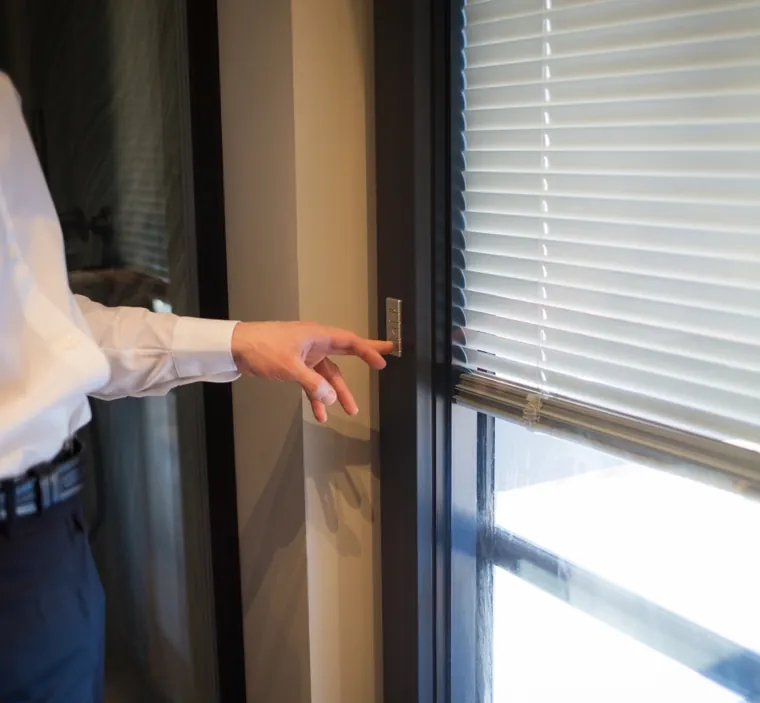
- A handheld remote or a wall keypad for simple, reliable daily use.
- An app, for adjusting the house while you are away from it.
- Schedules that follow the time of day, so west facing rooms are protected before the sun arrives.
- Scenes that move several shades together, and connection to a wider home automation system if you have one.
Other points worth raising
Ask how the shades will line up when several hang side by side, since even hems are what make a wall of glass look composed. Consider very tall or out of reach windows, which are often left bare simply because they are awkward to operate by hand. And remember that a motorized treatment has no dangling cords, which is a welcome advantage in a home with young children or pets.
If the walls are already closed, do not be discouraged. Battery motors and discreet surface wiring make it possible to motorize most existing windows. The earlier the conversation begins, however, the more invisible the result can be.
Would you like advice on your own windows?
Request a Quote →